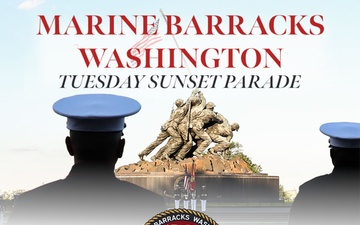
Graphics by Cpl. Brynn Bouchard | Marine Barracks Washington | 06.25.2026
This infographic is designed to inform the public about the Sunset Parades hosed by Marine Barracks Washington and was created on June 25, 2026. The Tuesday Sunset Parade is a time-honored tradition that showcases the precision and discipline of the Marine Corps, featuring performances by the United States Marine Corps Silent Drill Platoon, and the “Commandant's Own" United States Marine......
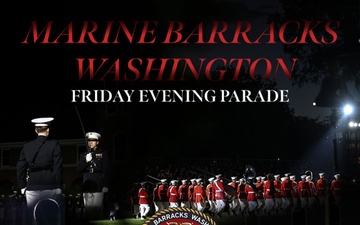
Graphics by Cpl. Brynn Bouchard | Marine Barracks Washington | 06.25.2026
This illustration is designed to inform the public about the Evening Parades at Marine Barracks Washington and created on June 25, 2026. The Friday Evening Parade is a time-honored tradition that showcases the precision and discipline of the Marine Corps, featuring performances by the United States Marine Corps Silent Drill Platoon, the “Commandant's Own" United States Marine Drum & Bugle......
Graphics by Staff Sgt. Daniel Lopez | U.S. Army Pacific Public Affairs Office | 06.24.2026
A motion graphic highlights the 8th Theater Sustainment Command's participation in Khaan Quest 2026, a multinational peacekeeping operations exercise conducted in Mongolia. As the U.S. Army's senior logistics and sustainment organization in the Indo-Pacific, the 8th Theater Sustainment Command provides Army, joint and multinational sustainment capabilities that preserve freedom of action and......

Graphics by Justin Moeller | Blanchfield Army Community Hospital | 06.24.2026
Script Center
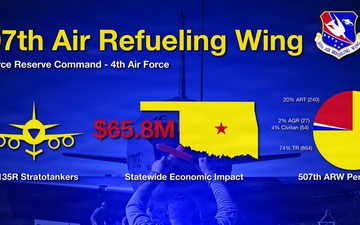
Graphics by Airman 1st Class Caleb Ruth | 507th Air Refueling Wing | 06.24.2026
Layout and design graphic showcasing 507th Air Refueling Wing statistics, impact and personnel created with Adobe Illustrator at Tinker Air Force Base, June 23, 2026. The graphic was created to accompany a 507th ARW commander’s op-ed in The Oklahoman in support of Freedom 250. (U.S. Air Force graphic by Senior Airman Caleb Ruth)...
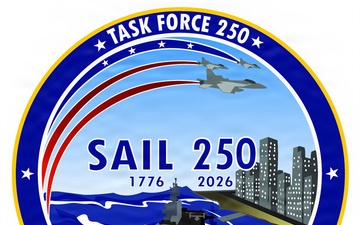
Graphics by Cpl. Xavier Alicea | 2nd Marine Division | 06.24.2026
This logo was created with Adobe Illustrator to represent Special Purpose Marine Air-Ground Task Force Sail 250. SAIL250 is a celebration of America’s maritime heritage and the nation’s 250th anniversary by bringing together U.S. and international ships, Marines, Sailors, and community partners throughout Norfolk, Maryland, New York, and Boston. (U.S. Marine Corps Graphic by Cpl Xavier Alicea)...
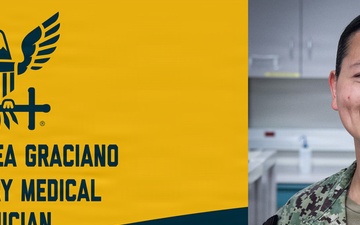
Graphics by Thomas Cieslak | Naval Health Clinic Cherry Point | 06.24.2026
Hospital Corpsman Second Class (Fleet Marine Force) Lea Graciano learned both motivation and discipline were essential in earning her certification from the American Society for Clinical Pathology (ASCP) as a Medical Laboratory Technician. “Showing up every day, putting in the work, allowing myself to fail and learn,” said Graciano, a native of Los Angeles, California, about the key to......
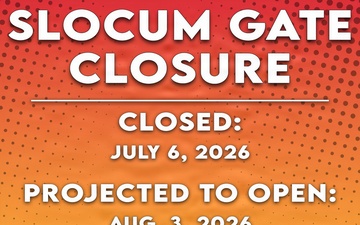
Graphics by Lance Cpl. Dillon Anderson | Marine Corps Air Station Cherry Point | 06.24.2026
U.S. Marine Corps graphic created in Adobe Photoshop to provide Marines, Sailors, and civilians who live and work on Marine Corps Air Station Cherry Point with an updated traffic plan due to the upcoming Slocum Gate closure. This graphic was created at MCAS Cherry Point, North Carolina, June 24, 2026. (U.S. Marine Corps graphic created by Lance Cpl. Dillon Anderson)...